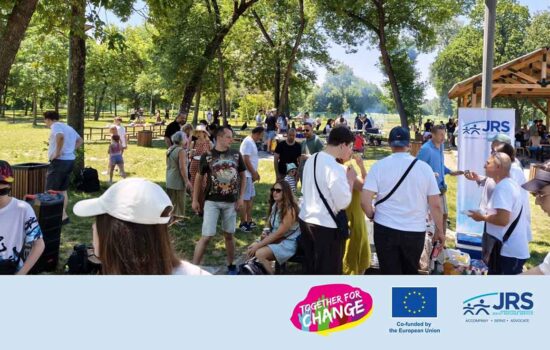
Summer is often associated with a slower pace, holidays and a break from everyday routines. However, for people building a new life in Serbia, challenges do not disappear with the arrival of warmer days. Administrative procedures, document collection and access to various rights continue regardless of the season, which is why supporting our beneficiaries remained at the heart of our work throughout the summer.
During July, much of our work focused on providing individual support to beneficiaries. We assisted them in navigating administrative procedures, gathering the necessary documentation, and communicating with various institutions. At the same time, we provided information about their rights and responsibilities, answered numerous questions and helped them navigate processes that are often complex and time-consuming.
Although this type of work often goes unnoticed beyond our daily interactions with beneficiaries, it forms the foundation of the integration process. Every completed application, collected document, and successfully resolved administrative step contributes to greater independence and security. Through these seemingly small but meaningful steps, beneficiaries gain confidence in public institutions and become better equipped to navigate life in their new environment.
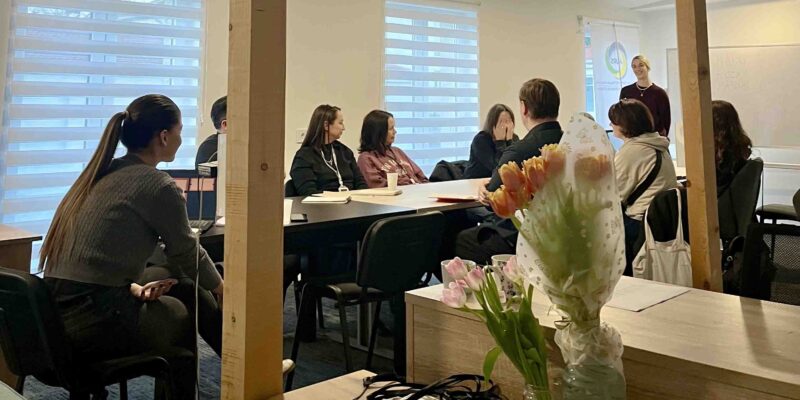
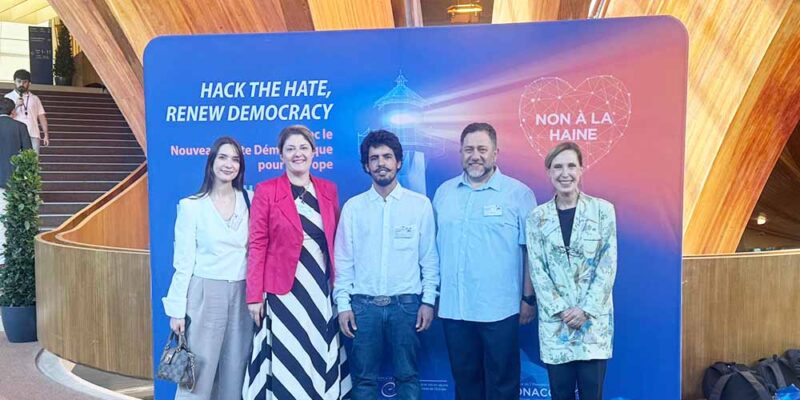
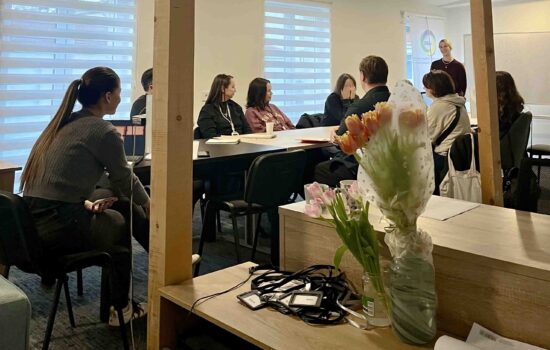
Alongside our direct work with beneficiaries, we also participated in the panel discussion “Intercultural Competencies and Innovative Approaches in Working with Refugees and Migrants”, organized by the Belgrade Centre for Human Rights. The event brought together professionals from across the sector, providing an opportunity to exchange experiences and discuss current challenges and possible solutions.
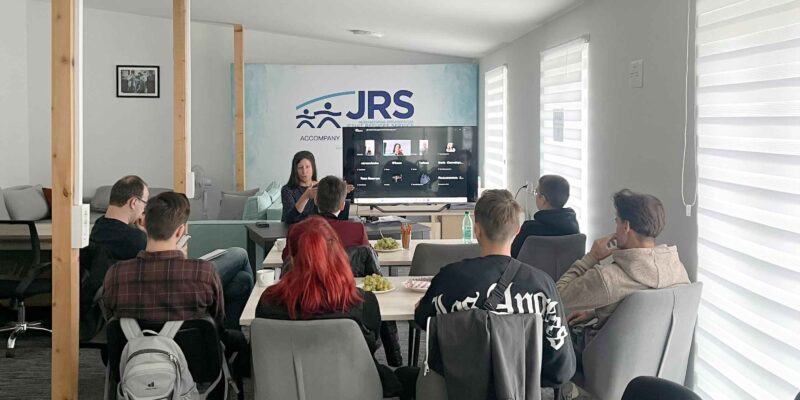
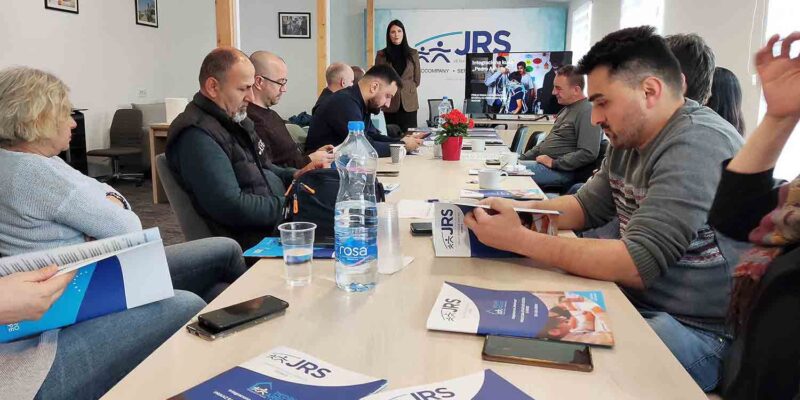
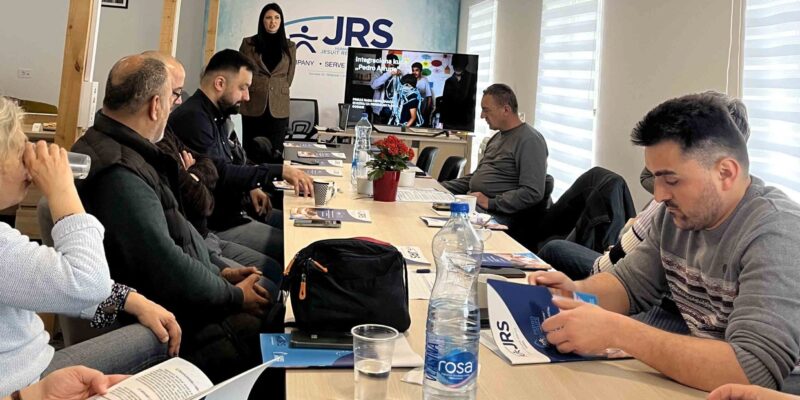
During the summer, we also welcomed representatives of the Mizala Foundation from Czech Republic, who were interested in learning more about the work and programs of JRS, as well as Professor Alexander Glosenberg from Loyola Marymount University. These visits provided valuable opportunities to exchange knowledge, present our work and explore future collaborations that can further strengthen the support we provide to refugees and migrants.
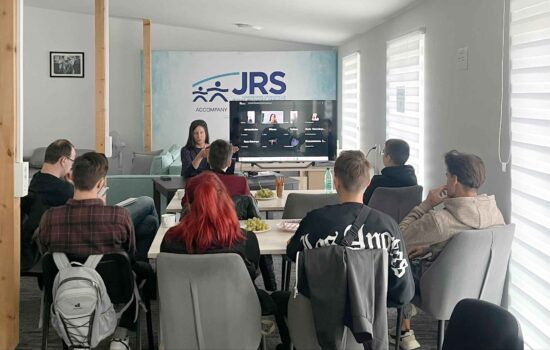
Throughout the summer, we remained committed to ensuring continuity in all aspects of our work. Alongside individual counselling and administrative assistance, we continued to support beneficiaries through regular communication, information sharing and integration activities, including educational programs whenever possible. At the same time, we began preparing new activities for autumn, with the goal of continuing to create opportunities for learning, personal development, and meaningful participation in the community.
While the summer months may bring fewer public events, they also remind us that the most important part of our work often happens behind the scenes. Support is not only what happens during workshops or public events. More often, it is found in everyday conversations, patient guidance, mutual trust, and the consistent presence that helps people rebuild their lives.