In June, a 16-year-old boy arrived at our Integration House in need of post-hospital care due to a fractured thigh bone. The leg fracture occurred when the underage boy, under unclear circumstances, fell through an open elevator shaft in an unfinished building. On the same day as the injury occurred, the boy received proper medical care at the hospital. An external metal fixator was applied to the left leg where the fracture occurred, with metal bars piercing the muscle in four places to hold the broken bone in place. This required additional care from skilled professionals to prevent infection of the wound and the spread of infection to the bone. The boy was given crutches for support when moving to the toilet and for short walks as advised by the doctor to prevent muscle atrophy despite the pain he was experiencing.
The boy, confined to bed for four months, found solace and distraction through his mobile phone, which served as his primary source of entertainment. After some time, certain psychological issues emerged, and he sometimes wasn’t in the mood for any work or conversation with the staff. The recovery process was challenging for both the beneficiary and for our staff. Daily wound dressing was required, as well as assistance with every trip to the toilet, carrying and serving food, helping with personal hygiene, and devising suitable ways to aid him, all while being constantly concerned about preventing further injuries as he had lost a significant amount of weight over time, making him appear more fragile than when he first arrived at the Integration House. As time passed and the boy realized what had happened to him, he became increasingly agitated. He often refused to eat and had severe panic attacks and choking episodes, leading to several emergency calls to the Integration House.
Despite all the efforts and working with him with the help of an interpreter, motivating him for anything was sometimes very challenging. There were occasions when he refused to eat and cried, leading to the need for additional assistance. In collaboration with partner organizations, a psychologist and psychiatrist were engaged, and the boy received appropriate psychological support and therapy. He was regularly monitored until the moment the fixator was removed from his leg, after which there was a noticeable change in his mood and behavior.
Then came another problem. A few days later, the new school year began, and all the boys went to school except him. He felt lonely during the day, and he soon expressed his desire to attend school independently, as he felt well enough to do so. At the recommendation of the orthopedic doctor, we provided him with additional support, a type of prosthesis that provides support to the newly healed thigh bone.
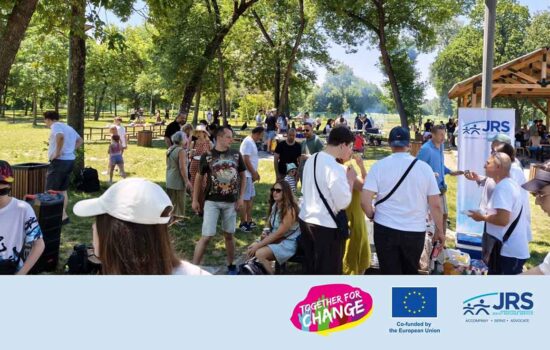
There is no need to explain the reactions of the staff who were involved in his enrollment and his reaction to the start of his education. A few days before going to school, he was taken on a one-day trip to Fruska Gora with other beneficiaries. There, playing on grassy playgrounds and participating in games with other children brought a smile and visible joy to his face, which our tutors observed with happiness and satisfaction.